
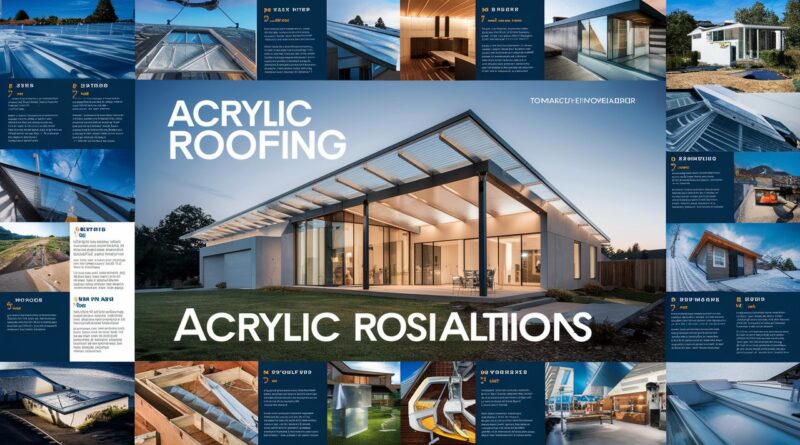
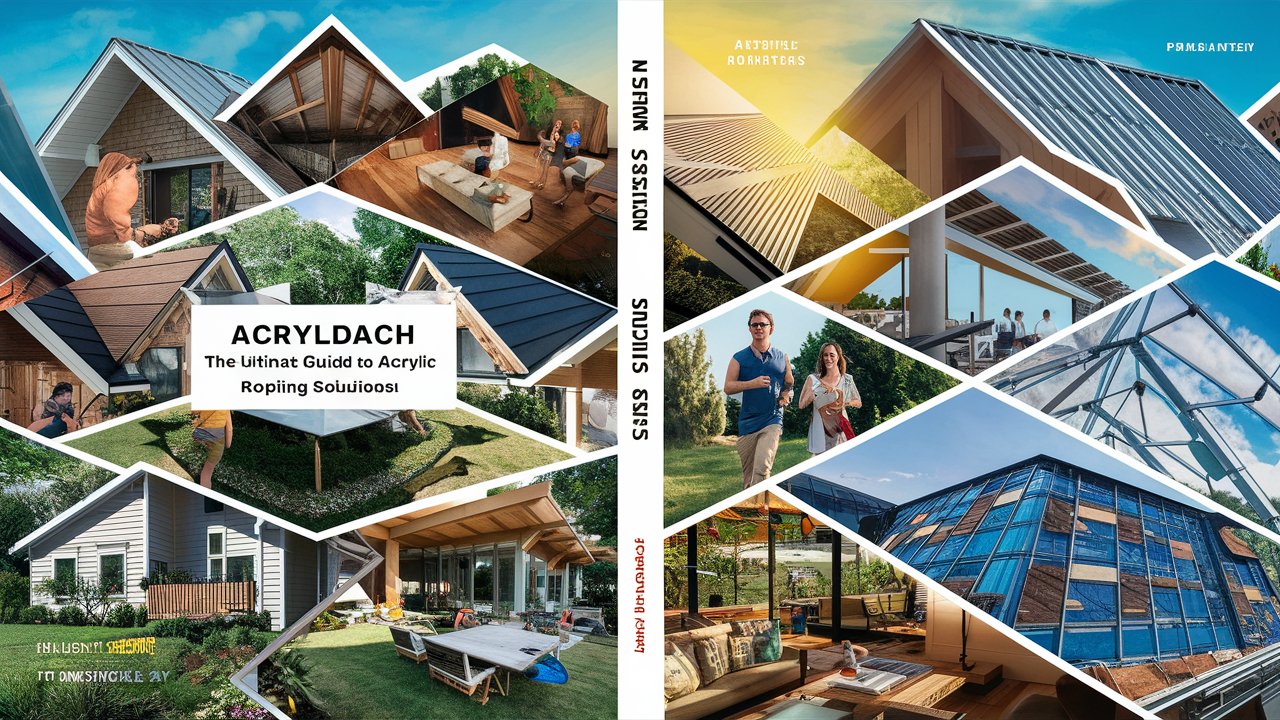
Acryldach – The Ultimate Guide to Acrylic Roofing Solutions
An acryldach, or acrylic roof, has become one of the most advanced and versatile roofing solutions for both residential and commercial properties. With its outstanding durability, impressive weather resistance, and modern aesthetic appeal, acrylic roofing continues to gain popularity among architects, builders, and homeowners seeking innovative alternatives to traditional materials. In this comprehensive guide, we explore every important aspect of acryldach systems, from their composition and key advantages to installation, maintenance, and long-term performance. Our goal is to provide a meticulous, expertly written resource that stands out as the most thorough article available on acrylic roofing.
What Is an Acryldach? Understanding Acrylic Roofing Systems
An acryldach is a roofing solution made from high-performance acrylic polymers that create a robust yet lightweight top layer capable of withstanding intense environmental conditions. The material offers exceptional clarity, UV resistance, and insulation, making it ideal for structures that require both durability and efficient energy performance. Acrylic roofing can take various forms, including acrylic panels, acrylic sheets, and acrylic coatings, each serving a different structural or protective purpose. Its versatility and adaptability make it a preferred option for modern construction projects.
Benefits of Choosing an Acryldach for Your Home or Business
1. Exceptional Weather Resistance
Acrylic roofing excels in harsh climates, offering unmatched resilience against wind, snow, and heavy rainfall. The inherent flexibility of acrylic polymers allows the material to withstand expansion and contraction without cracking, warping, or deteriorating. This high level of stability ensures long-term protection even in regions prone to extreme weather fluctuations.
2. Superior UV Protection
One of the standout benefits of an acryldach is its natural resistance to ultraviolet radiation. Unlike traditional roofing materials that fade or weaken under prolonged sun exposure, acrylic retains its color and structural integrity for many years. This makes it ideal for locations with intense sunlight, providing energy efficiency while maintaining aesthetic appeal.
3. Lightweight Yet Durable Construction
Acrylic roofing materials are significantly lighter than metal or ceramic alternatives, simplifying transportation, handling, and installation. Despite the lightweight design, acrylic roofs demonstrate extraordinary durability, resisting impact damage, corrosion, and common structural weaknesses found in older roofing systems.
4. Enhanced Thermal Insulation
Acryldach systems contribute to improved indoor climate control thanks to their impressive insulation capabilities. Acrylic panels help maintain optimal interior temperatures by reducing heat transfer, lowering energy consumption, and enhancing overall building efficiency. This is particularly beneficial for commercial spaces where energy costs accumulate rapidly.
5. Stylish, Modern Aesthetic
Acrylic roofing offers a sleek, contemporary look that complements modern architecture. Available in various colors, finishes, and transparencies, acrylic roofing provides both functional and visual appeal. Transparent or semi-transparent acrylic roofs allow natural light to permeate interior spaces, reducing the need for artificial lighting and creating a bright, inviting atmosphere.
Types of Acryldach Systems and Their Applications
Acrylic Roofing Panels
Acrylic panels are commonly used in greenhouses, patios, carports, porches, and industrial facilities. These panels provide excellent light transmission while offering strong protection against environmental factors. Their versatility makes them suitable for both decorative and functional structures.
Acrylic Roof Coatings
Acrylic roof coatings are applied as a liquid layer over existing roofing systems to restore, seal, and protect the surface. This method is cost-effective and eco-friendly, providing waterproofing, UV resistance, and enhanced longevity. Coatings are often used on flat roofs, commercial buildings, and aging structures in need of reinforcement.
Acrylic Sheets for Skylights
Acrylic sheets offer outstanding clarity and strength, making them ideal for skylights, domes, and roof windows. Their resistance to yellowing and impact ensures long-lasting performance even in high-traffic commercial or industrial applications.
How an Acryldach Is Installed: A Complete Process Overview
The installation of an acrylic roofing system requires precise preparation and professional execution. The process typically involves:
1. Initial Inspection and Measurements
Professionals assess the structure, calculate load capacity, and determine the ideal acrylic roofing type based on architectural needs.
2. Preparation of the Roofing Framework
The supporting structure must be clean, stable, and properly aligned. Metal or wooden frames are commonly used to provide balance and secure installation.
3. Securing Acrylic Panels or Applying Coatings
Acrylic panels are fitted using weather-resistant fasteners and seals to prevent leakage. For acrylic coatings, multiple layers are applied with specialized tools to achieve smooth, even coverage.
4. Weatherproofing and Finishing
Edges, joints, and seams are sealed using UV-resistant adhesives. The final layer ensures complete protection and aesthetic refinement.
This meticulous installation process guarantees durability, resistance, and optimal performance for many years.
Maintenance Tips to Extend the Life of Your Acryldach
Proper maintenance keeps an acrylic roof functioning effectively while preserving its clarity and strength.
Routine Cleaning
Use mild soap and non-abrasive cloths to remove dirt and debris, preventing scratches and buildup that can reduce transparency.
Annual Inspections
Check for signs of wear, such as small cracks, loose fasteners, or discoloration. Timely repairs prevent larger structural issues.
Removing Debris and Snow
Gently remove leaves, snow, and other elements that may accumulate, ensuring that the roof remains free of excess weight and moisture.
Common Problems and Solutions With Acrylic Roofing
Even high-quality acrylic roofs may encounter challenges such as minor surface scratches or seal wear over time. These issues are typically easy to fix:
Surface Scratches
Polishing compounds specifically designed for acrylic can restore clarity.
Edge Seal Deterioration
Replacing the weatherproof sealing ensures continued protection.
Discoloration
High-grade acrylic systems rarely yellow; if discoloration occurs, replacing affected panels restores visual quality.
Environmental Benefits of Acrylic Roofing
Acryldach systems contribute to sustainability. Their lightweight nature reduces transportation emissions, and their energy-efficient performance lowers overall environmental impact. Acrylic is also recyclable, making it a responsible choice for eco-conscious projects.
Conclusion
An acryldach represents one of the most advanced, durable, and aesthetically pleasing roofing solutions available today. Its exceptional resistance to weather, UV rays, and physical impact makes it a smart investment for long-term performance. From residential homes to commercial buildings, acrylic roofing provides efficiency, beauty, and reliability. With proper installation and maintenance, an acrylic roof can offer decades of protection while enhancing the architectural appeal of any structure.
FAQ
1. How long does an acrylic roof last?
With proper care, an acrylic roof typically lasts 20–30 years or more.
2. Can acrylic roofing withstand hail?
Yes, high-quality acrylic panels offer excellent impact resistance, reducing the risk of damage.
3. Is acrylic roofing energy-efficient?
Acryldach systems provide strong thermal insulation and UV resistance, improving overall energy efficiency.
4. Are acrylic roofs suitable for commercial buildings?
Yes, acrylic roofing is widely used in warehouses, offices, retail spaces, and industrial facilities.
5. Does acrylic roofing require special cleaning products?
Use only mild soap and non-abrasive materials to avoid scratching the surface.